WHAT ARE THE SIDE EFFECTS OF MINOXIDIL AND HOW PREVALENT ARE THEY?
Androgenetic alopecia, also known as male pattern baldness, is a prevalent kind of hair loss that typically affects males in their 20s, 30s, and 40s.
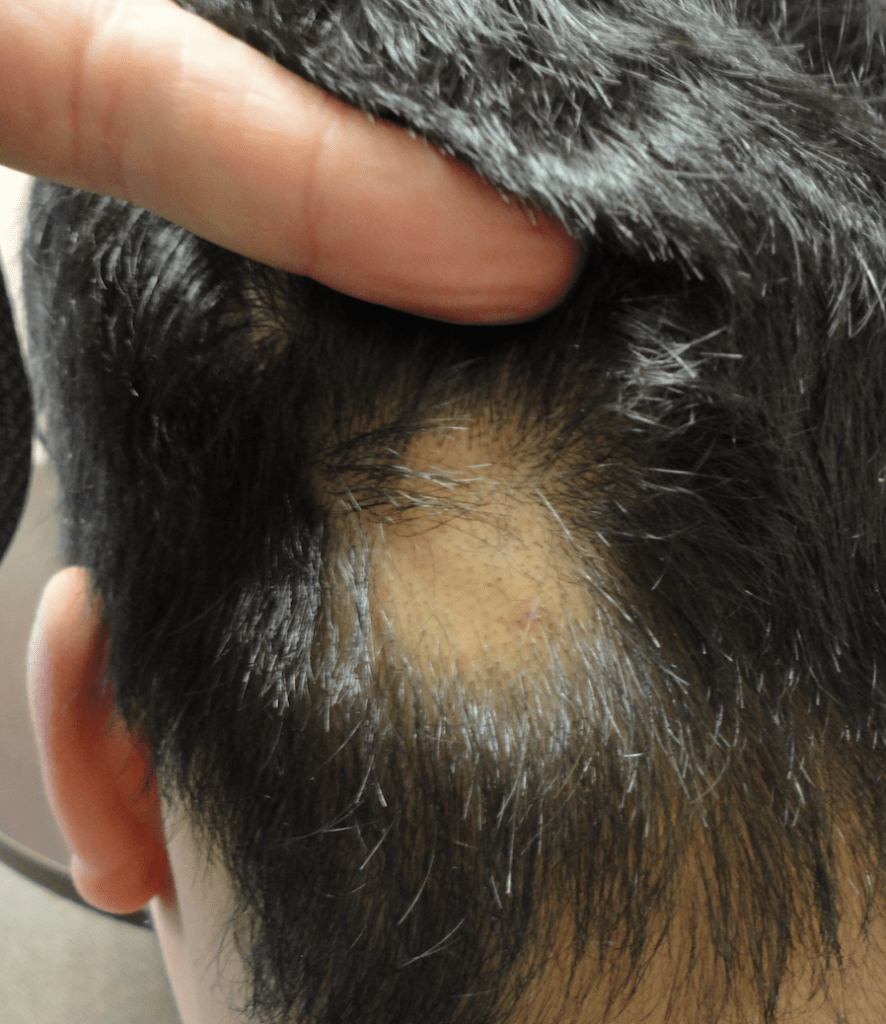
If you’re beginning to experience the early symptoms of male pattern baldness, taking medication to prevent hair damage, reduce hair loss, and encourage healthy hair growth may be beneficial.
A topical drug called minoxidil is used to treat hair loss. It’s one of the most popular and successful treatments for promoting hair growth and reducing the severity of male pattern baldness, along with finasteride.
Minoxidil has both main effects and side effects, much like any drug. The good news is that minoxidil uses often only has minor side effects, and the majority of them can be managed by adjusting how you take the prescription.
Prior to starting therapy, it’s crucial that you are informed of all of the possible side effects of minoxidil.
Below, you’ll find a comprehensive list of all the known adverse effects of minoxidil as well as information on how often they are.
Additionally, we’ve covered what to do if adverse effects arise from taking minoxidil to cure and stop hair loss.
The Basics of Minoxidil
It’s necessary to briefly go over the fundamentals of minoxidil and how it functions as a hair loss therapy before we discuss any adverse effects.
A topical drug called minoxidil is applied to the skin to promote hair growth. Both a solution and a topical foam are available. Unlike finasteride, minoxidil may be acquired without a prescription because it is over-the-counter.
Although minoxidil’s exact mechanism of action isn’t entirely known, experts believe that it stimulates hair growth by doing two things in particular: putting hair follicles into an active growth state and increasing blood flow to the scalp.
The multi-phase cycle known as the hair development cycle is how your hair develops. According to experts, minoxidil promotes more steady hair development by putting your hairs into the anagen phase of their cycle, when they actively grow to their maximum length.
When it comes to promoting blood flow, research indicates that minoxidil aids in widening the blood vessels in your scalp, enabling a greater volume of blood to travel to your hair follicles and feed them with vitamins, minerals, and other crucial nutrients.
According to research, minoxidil is effective, and many men who take it report a noticeable improvement in hair density and an acceleration of hair growth as a result of the therapy.
For instance, more than 84 percent of males who took minoxidil in one research evaluated it as either extremely successful, effective, or somewhat effective at promoting hair regrowth in the Journal of the American Academy of Dermatology in 2004.
Minoxidil is easy to use, and for best results, most men apply it twice daily to their whole scalp.
What Are the Side Effects of Minoxidil?
Minoxidil is a frequently prescribed and well-researched medicine, thus healthcare professionals and researchers are well aware of its negative effects.
Skin irritation close to the application site is the most frequent adverse effect of minoxidil, depending on the formulation. Following the use of minoxidil, you can have itchy, painful, rashy, or somewhat burning skin.
This could be an adverse response to the minoxidil itself or to some of the ingredients that are frequently used in minoxidil compositions.
Alcohol and propylene glycol are used in several minoxidil sprays and foams. These components are frequently added to minoxidil formulations to aid in correct dissolution and enhance skin absorption.
You can have skin sensitivity after using minoxidil topically if you have a skin type that is sensitive to propylene glycol, alcohol, or both substances.
The majority of the time, minoxidil only causes minor and temporary skin irritation. If taking minoxidil consistently causes irritation, you might wish to discuss the possibility of an allergic response with your doctor.
To establish which substances are irritating your skin, your doctor may do a patch test to discover if you are prone to allergic contact dermatitis from one of the chemicals in your minoxidil foam or topical solution.
Your doctor may advise taking an alternative formulation that is less likely to result in irritating contact dermatitis if you are allergic to a specific component in minoxidil.

Less Common Side Effects of Minoxidil
Minoxidil might result in other negative effects in addition to skin irritation. These include unwelcome hair growth that may impact your face or other parts of skin exposed to minoxidil, as well as temporarily increased hair loss.
In certain situations, minoxidil can also result in the development of red skin bumps, facial puffiness, headaches, and outbreaks of acne.
The actions of minoxidil on your hair growth cycle might result in one of these adverse effects, a brief increase in hair loss.
The anagen phase of the hair development cycle, during which your hair grows to its full length, is prematurely entered by your hairs as a result of minoxidil. This is accomplished by shortening the telogen phase, during which your hairs cease to grow and separate from your scalp.
As your hairs are prematurely moved into the first phase of their subsequent growth cycle due to the shortening of the telogen phase, minoxidil may cause them to fall out all at once.
This may cause temporary hair loss, making your hair look thinner and leaving less of your scalp covered than usual. Your hair will often restore its former thickness and quantity of covering after a few weeks of this transitory impact.
Don’t be alarmed if you notice that your hair appears little thinner than normal soon after beginning your minoxidil treatment. Instead, wait the three to four months that are often needed to evaluate the effectiveness of minoxidil.
Any temporary hair loss caused by minoxidil should eventually reverse itself, with fresh hairs covering thin, low-density regions of your scalp.
When applied to your face and/or body, minoxidil, which aids in stimulating hair growth, may result in undesired hair growth, including the growth of body hair. In fact, some individuals use minoxidil to promote beard development in order to benefit from this adverse effect.
Make sure to just apply minoxidil to your scalp in order to avoid any undesired hair growth. After applying minoxidil, properly wash your hands, and carefully wash away any excess solution that gets on your forehead, neck, or other areas near your hair.
Our guide to minoxidil and erectile dysfunction goes into more insight on this subject. Unlike other hair loss treatments, minoxidil isn’t linked to any sexual negative effects.
Minoxidil Side Effects From Excessive Use
When taken as recommended, minoxidil is unlikely to have a substantial negative impact. However, if you use minoxidil excessively, such as by applying it more than twice daily or using too much on your scalp at once, negative effects might appear.
Potential adverse effects from excessive minoxidil use include:
- a feeling of being lightheaded or dizzy
- Swelling in the hands, hands, ankles, stomach, or face
- alterations to your body weight, like weight growth
- breathing difficulties when lying down
- fast heartbeat or discomfort in the chest
If you notice any of these adverse reactions after using minoxidil, it’s important to contact your healthcare provider for assistance.
Rogaine Side Effects
Minoxidil is available as a generic medication and under the brand name Rogaine®. Rogaine is sold in a variety of strengths to treat hair loss in men and female pattern hair loss, a form of hair loss that can occur in women.
Generic minoxidil and brand-name Rogaine contain the same active ingredient. This means that their side effects are generally identical. If you’re prone to side effects from generic minoxidil, it’s likely that you’ll experience the same issues from brand-name Rogaine.
Like most forms of generic minoxidil, brand-name Rogaine contains secondary ingredients such as propylene glycol and alcohol. These ingredients may cause irritation, making it important to be careful not to get them in your eyes, mouth or on sensitive areas of skin.
Brand-name Rogaine can also cause other common side effects of minoxidil, such as unwanted growth of your facial or body hair, acne, swelling around your face and mild hair shedding during the first few weeks of use.
Therefore, when using brand-name Rogaine, you should take the same safety measures that you would when using a generic topical minoxidil solution or foam.
 YOGA
YOGA 